Face? Dentists Say Yes
Mouth breathing isn’t just about how air gets in and out—it can quietly shape your face over time. According to orthodontists, ENT specialists, and decades of airway-focused research, chronic mouth breathing can influence facial growth, jaw alignment, and dental development.
The impact is most noticeable in children, whose bones and facial structures are still forming. But adults aren’t completely off the hook. Long-standing breathing habits can continue to affect facial balance, bite alignment, and even how rested or tired someone appears.
How Mouth Breathing Can Alter Facial Structure
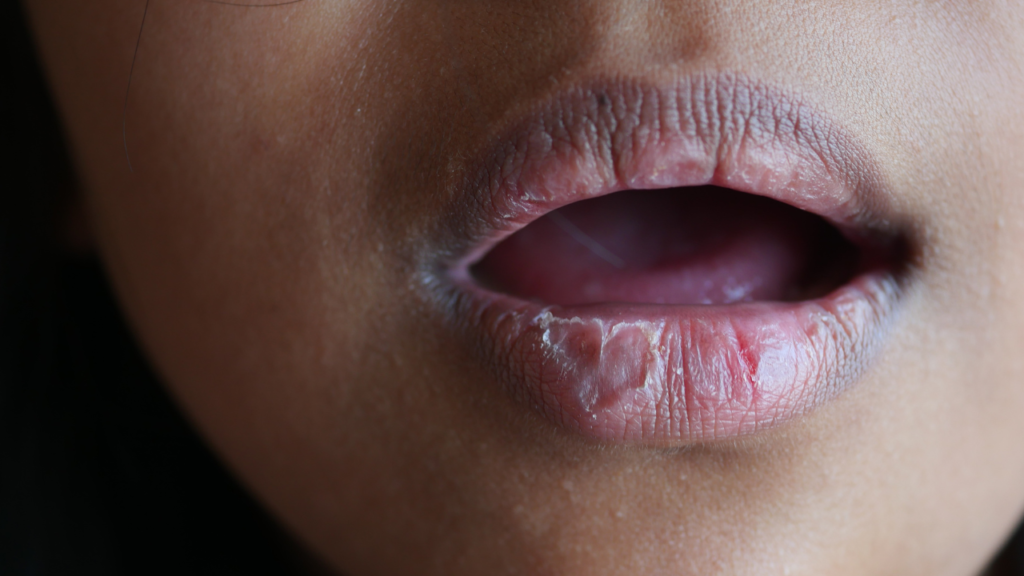
“Mouth breather” is often used as a joke online, but in dentistry and airway health, it’s a legitimate concern. Persistent mouth breathing has been linked to a recognizable pattern sometimes referred to as ‘mouth breather face’—a set of traits that can gradually develop when nasal breathing is replaced by mouth breathing.
These changes may include:
- A longer, narrower facial shape
- A recessed chin or underdeveloped jaw
- Droopy or tired-looking eyes
- Crowded or misaligned teeth
- A smaller or constricted dental arch
These changes don’t happen overnight. They develop slowly, often without someone realizing their breathing habits are playing a role.
Why Breathing Through Your Mouth Affects Your Face
The key player here is the tongue.
When you breathe through your nose, your tongue naturally rests against the roof of your mouth. This gentle pressure helps guide proper jaw growth, supports a wider palate, and promotes balanced facial development.
With mouth breathing, the tongue drops lower in the mouth instead of resting on the palate. Over time, this altered tongue posture can disrupt normal jaw development, shift tooth positioning, and contribute to facial asymmetry.
In other words, breathing isn’t just about oxygen—it’s a structural signal your body responds to every day.
The Connection Between Breathing, Sleep, and Appearance
Here’s something many people don’t realize: how you breathe—through your mouth or your nose—can influence not just your facial structure, but also your sleep quality and overall health.
Mouth breathing is commonly associated with snoring, fragmented sleep, and conditions like sleep apnea. Poor sleep can lead to puffiness around the eyes, dull skin tone, and a chronically fatigued appearance—effects that compound any structural changes over time.
As longtime mouth breathers, snorers, and sleep apnea sufferers ourselves, we understand how difficult it can be to break deeply ingrained habits. But the benefits of nasal breathing often extend beyond better sleep or improved health—it can also support a more balanced, healthier-looking face.
Can You Reverse ‘Mouth Breather Face’?
If this topic has you concerned—or curious—you’re not alone. Research suggests that improving nasal breathing, addressing airway blockages, and correcting tongue posture may help prevent further changes and, in some cases, improve facial balance.
In the sections ahead, we’ll explore what science says about facial symmetry, breathing retraining, and dental or medical interventions that may help. Because yes, it may be possible to move away from ‘mouth breather face’ toward something more balanced, functional, and healthy.
Healthy breathing plays a critical role in facial development, sleep quality, and overall health—especially during childhood.
If you’d like to explore whether airway-centered orthodontic solutions could benefit your child, our team is here to guide you. We welcome you to schedule a consultation to learn more.
Call us at Philadelphia Office (610) 822-9558, Kensington, MD Office 240-550-1442 or click here to schedule your exam.***