Occlusal disease is one of the most common—and most overlooked—causes of tooth damage. Many people live with it for years without realizing anything is wrong. Their teeth may look worn, feel sensitive, or even crack, yet it’s often brushed off as “normal aging.”
It’s not.
Occlusal disease refers to the gradual breakdown of teeth, gums, bone, and jaw joints caused by an unhealthy bite. When the upper and lower teeth do not fit together properly, excess force is placed on certain teeth and muscles. Over time, this constant stress leads to damage that can affect not only your smile, but also your comfort, function, and long-term oral health.
What Causes Occlusal Disease?
Occlusal disease develops when the bite is out of balance—a condition known as malocclusion. In a healthy bite, the teeth, jaw joints, and muscles work together evenly. When that balance is disrupted, certain areas are overloaded again and again.
Common contributors include:
- An uneven or unbalanced bite
- Crooked or crowded teeth
- Teeth grinding (bruxism), especially during sleep
- Chronic teeth clenching
- Bite changes after dental work or tooth loss
Over time, these forces can damage teeth, strain jaw muscles, irritate the temporomandibular joints (TMJ), and weaken the bone and gums that support your teeth.
Signs and Symptoms You Shouldn’t Ignore
Occlusal disease often progresses slowly, which is why it’s frequently missed in its early stages. Many symptoms are subtle at first but become more serious over time.
Common signs include:
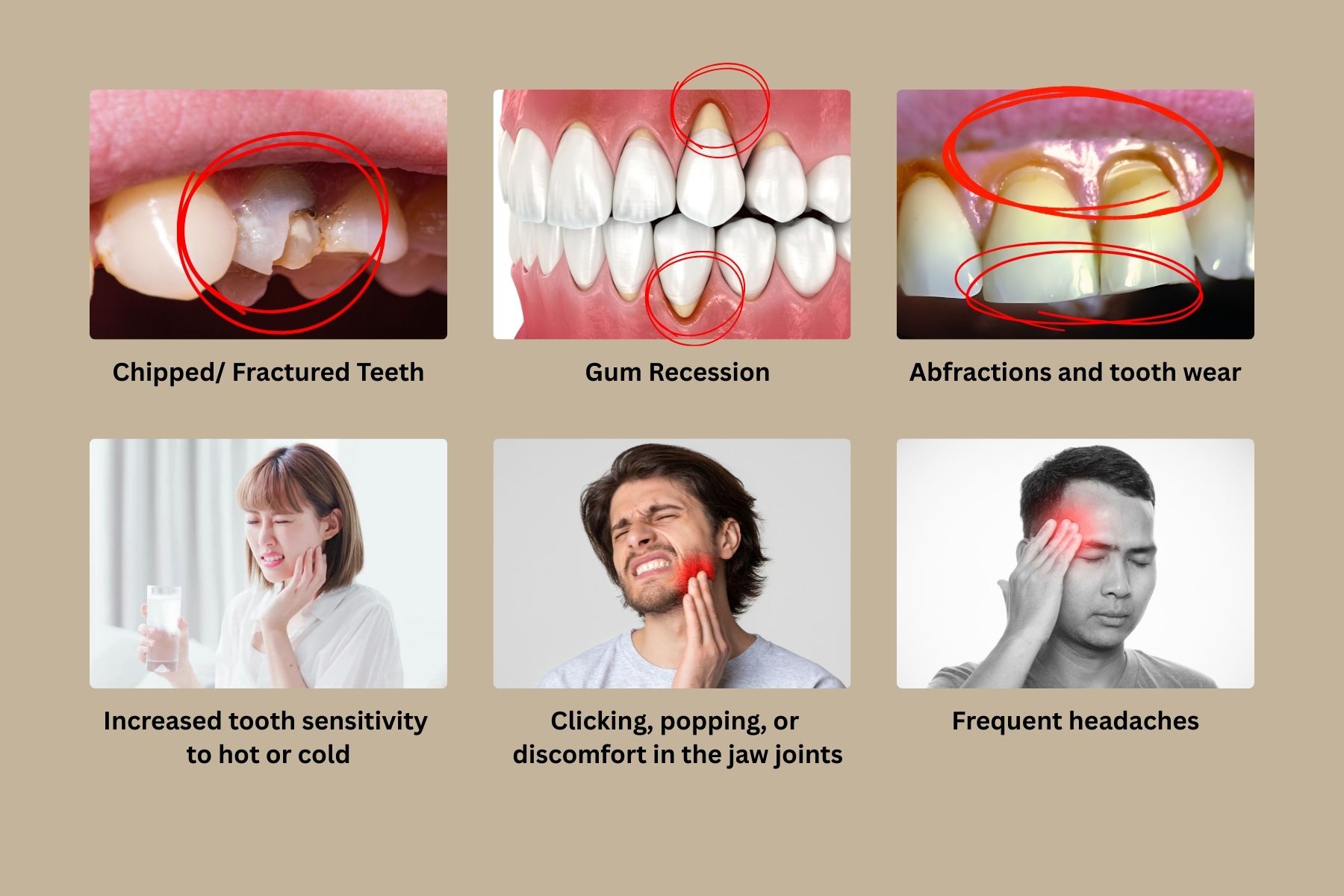
- Worn, flattened, or shortened teeth
- Cracked or chipped teeth
- Gum recession
- Bone loss around teeth
- Loose or shifting teeth
- Increased tooth sensitivity to hot or cold
- Frequent headaches
- Tooth grinding
- Earaches and “stuffiness” in the ears
- Ringing in the ears
- Jaw pain and jaw muscle tightness
- Clicking, popping, or discomfort in the jaw joints (TMJ)
- Difficulty opening the mouth and chewing
Because these changes happen gradually, they’re often mistaken for normal wear. A trained dental professional can identify when wear is excessive or unhealthy.
Why Occlusal Disease Is Often Missed
Occlusal disease is one of the most underdiagnosed dental conditions. Early signs are commonly dismissed as routine wear, especially in adults. Unlike cavities or gum disease, occlusal disease doesn’t always cause obvious pain at first—until damage is already significant.
The good news? When detected early, occlusal disease is manageable and often reversible in its early stages.
How Dentists Diagnose Occlusal Disease
Diagnosis begins with a comprehensive dental exam. Your dentist will assess:
- Bite alignment and how your teeth come together
- Patterns of tooth wear
- Gum and bone health
- Jaw joint movement and sounds
- Muscle tenderness in the jaw, head, and neck
A detailed dental history—such as reports of grinding, headaches, or jaw discomfort—can also reveal important clues. Accurate diagnosis is essential to prevent long-term damage and complex treatment later.
Treatment Options for Occlusal Disease
Treatment depends on the cause and severity of the condition. Your dentist may recommend one or more of the following:
- Orthodontic treatment (like Invisalign) to correct bite alignment
- Bite equilibration, which gently reshapes biting surfaces to balance forces
- Protective nightguards to reduce damage from grinding or clenching
- Restorative dentistry, such as crowns or veneers, to repair worn or damaged teeth
The goal of treatment is not just cosmetic improvement—it’s to restore balance, protect teeth, and relieve stress on the jaw system.
Why Early Treatment Matters
Left untreated, occlusal disease can lead to ongoing tooth damage, gum and bone loss, chronic jaw pain, and even tooth loss. Regular dental visits allow your dentist to detect early warning signs and intervene before serious damage occurs.
If you notice changes in how your teeth fit together, increasing wear, jaw discomfort, or frequent headaches, don’t ignore them. Early care can make a significant difference.
To schedule a consultation or learn more about occlusal disease treatment, please contact us:
Philadelphia Office: (610) 822-9558
Kensington, MD Office: (240) 550-1442
Your bite matters—and caring for it properly can make a lasting difference in your oral and overall health.